Home › Guides › Renting With a Dog in England: Rights From May 2026
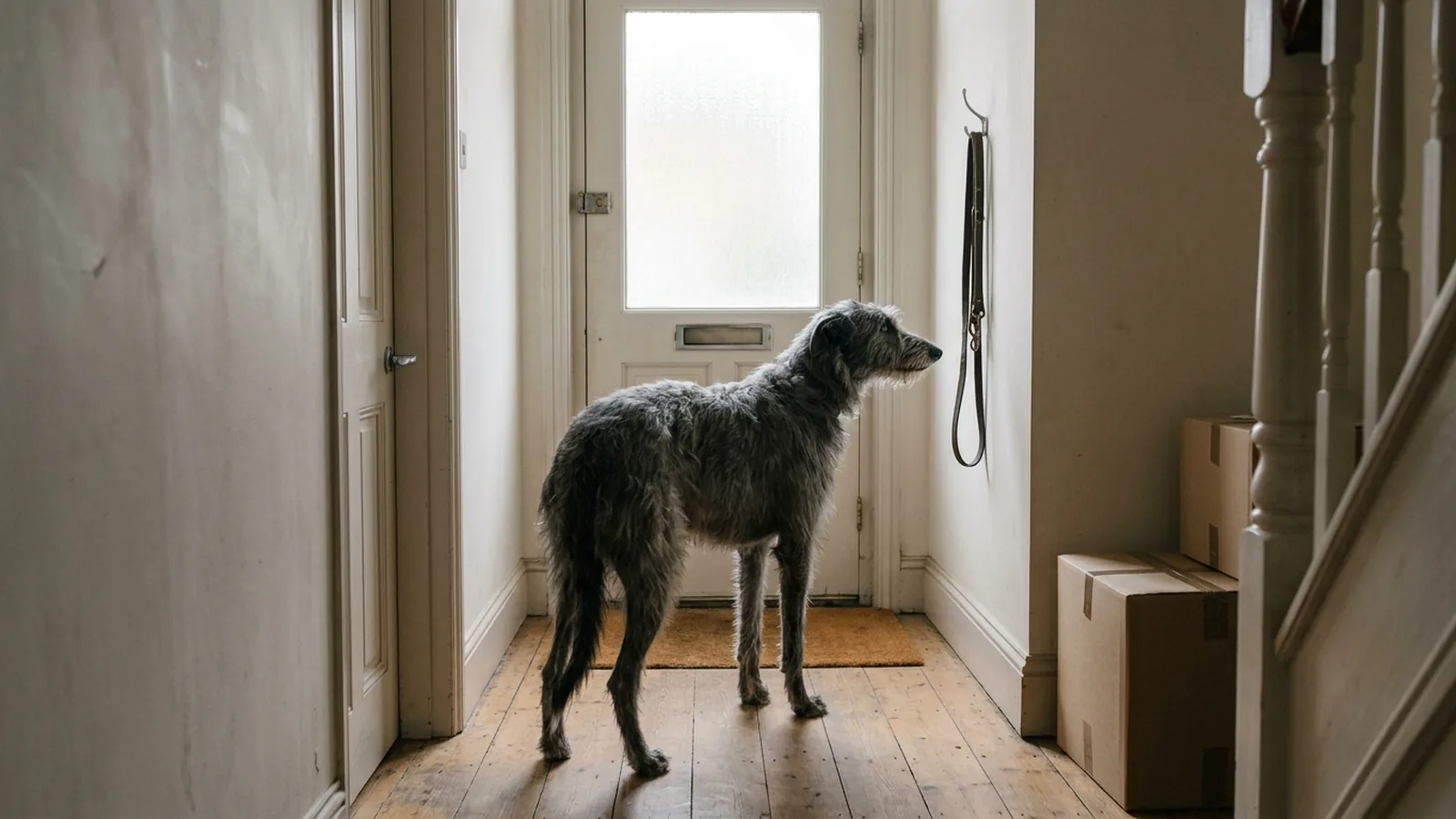
If you rent your home in England and want to keep a dog, you can now ask your landlord for permission under the Renters’ Rights Act 2025. The new pet rules apply from 1 May 2026. Your landlord has to consider your request and reply in writing within 28 days. They can only refuse if they have a reasonable reason. A dislike of animals is not one of them.
This guide explains what the rules say, what counts as a fair reason to say no, and what to do if you are turned down. It covers England only. As of October 2026, the position in Wales and Scotland is governed by different law.
What changed on 1 May 2026
Before the new rules, a tenant who wanted a pet usually needed to ask the landlord, and the landlord could say no for almost any reason. Under the Renters’ Rights Act, the pet provisions take effect for requests made on or after 1 May 2026. Councils and advice charities describe the same basic idea: a tenant can ask, and the landlord has to think about it properly.
The Act is being brought in gradually, with some changes still to come. This article covers only the pet rules.
Can you ask to keep a dog?
Yes. You can ask your landlord for permission to keep a dog, a cat, or another pet. It is sensible to make the request in writing, with the breed, size and age of the dog, and a short note on how you will look after it. A clear request is easier for the landlord to answer, and it gives you a record if there is a dispute later.
Include practical details that help the landlord judge the request:
- The dog’s name, breed or mix, approximate adult weight and age
- Where the dog will sleep, and whether you have a garden or access to outdoor space
- Your plans for exercise, training and vet care
- Proof of previous good behaviour from a former landlord, if you have it
How long does the landlord have to reply?
The landlord must respond in writing within 28 days of your request. If they need more information, they can ask for it during that time. Once you reply, the landlord has until the later of two dates: the end of the original 28 days, or seven days after your reply. That gives them a fair chance to check the details without leaving you waiting indefinitely.
Some websites quote a 42-day period. Official guidance on GOV.UK gives 28 days, so use that figure when you check your own timeline.
If the landlord does not reply in time, advice from Wood Green’s pet advice team says you can complain or take the matter to court. Keep a copy of your original request and any dates, because these will matter.
When can a landlord refuse?
A landlord can refuse only for a reasonable reason. According to GOV.UK and the advice from Wood Green, the following are generally reasonable grounds:
- Another person in the home has an allergy to animals
- The property is too small for the pet, which can apply to a large dog in a flat or a small house
- The animal is illegal to keep, such as a banned species
- The landlord is a leaseholder and the freeholder’s terms forbid animals
- The pet has caused, or is causing, antisocial behaviour
The following are generally not reasonable grounds:
- The landlord simply does not like pets
- Problems with previous tenants who had animals
- A general worry that the pet might cause damage in future
- A belief that having a pet might make the property harder to rent out later
Assistance animals, such as guide dogs, are treated differently. A landlord usually cannot refuse an assistance animal when they know the tenant needs one.
Large dogs and the “too small” ground
A large breed is the case where “too small” matters most. A dog of 75 cm at the shoulder needs room to lie down, turn around and move about. PDSA’s breed guide for the deerhound says the breed needs at least two hours of exercise a day. If you live in a small flat with no outdoor space nearby, a landlord may have a fair point.
If your home is genuinely suitable, say so in your request. Describe the space, the garden, the walks you can reach from the house and your plans for daily exercise. Vague requests are easier to refuse than specific ones.
Can a landlord charge extra for a pet?
This is where the rules are less clear. GOV.UK’s guidance says a landlord can use the existing tenancy deposit to pay for damage caused by a pet, which is how deposits already work for any damage. It does not say whether a landlord can ask for a separate pet deposit or require pet insurance.
Arun District Council’s guidance says a landlord may require appropriate pet insurance where that is allowed. Wood Green’s advice does not say either way. Because the official guidance does not settle the question, check the wording of any insurance or deposit condition before you agree to it. Ask the landlord which policy they want, what it covers, and whether it is in addition to the normal deposit.
Can a landlord evict you because of a pet?
Owning a pet on its own should not be grounds for eviction under these rules. Genuine problems are different. Noise, nuisance, or damage beyond normal wear can all be relevant. If you agreed to a reasonable condition, such as insurance, and then broke it, the landlord may be able to act. Read your tenancy agreement and keep records of any agreed conditions.
Key points
- The pet rules in England apply from 1 May 2026.
- You can ask your landlord to keep a dog, and it is wise to put the request in writing.
- The landlord must reply in writing within 28 days, with an extension if they ask for more information.
- Reasonable refusals include allergies, a home that is too small, and freeholder restrictions.
- Disliking animals or worrying about future damage are not usually reasonable grounds.
- Deposits can cover pet damage. Separate pet deposits and insurance need checking carefully.
Checklist before you ask
- Read your tenancy agreement for any pet clause.
- Write a short, specific request with the dog’s details.
- Describe your home, outdoor space and exercise plans.
- Send the request and keep a copy with the date.
- Note the 28-day deadline and the extra time if they ask questions.
- Get any agreed conditions in writing before the dog moves in.
Frequently asked questions
Can my landlord refuse a dog just because they do not like dogs?
Not on those grounds alone. The landlord needs a reasonable reason, and personal dislike of animals is not usually one.
How long must a landlord take to answer a pet request?
The landlord must reply in writing within 28 days. They can ask for more information during that period, and the deadline can then be extended.
Can I keep a large dog in a flat?
It depends on the flat and the dog. A landlord may refuse if the property is too small for the animal. A specific request that shows how the dog will be exercised and housed is more likely to succeed.
Can a landlord ask for a pet deposit?
The guidance does not settle this clearly. Check the wording of any condition, and ask what it covers and whether it is separate from the standard deposit.
Does this apply in Wales or Scotland?
No. The Renters’ Rights Act 2025 applies in England. Wales and Scotland have separate housing law, so check with your local council or a tenant advice service.
Next steps
If you are thinking about getting a large dog, make sure your home can meet its needs before you ask. If you are already in a rented home and your landlord has refused, ask them for their reason in writing. Your local council’s housing team or a tenant advice service can explain your options, and a solicitor can advise if the dispute is serious.
Gentom Deerhounds is an archived site about Scottish deerhounds. The kennel no longer breeds, but the breed guides on this site cover grooming, exercise and health, which may help if you are planning for a big dog.
This article is general information, not legal advice. Check the current official guidance or speak to a qualified adviser before making a decision.