Home › Guides › Scottish Deerhound rescue and rehoming
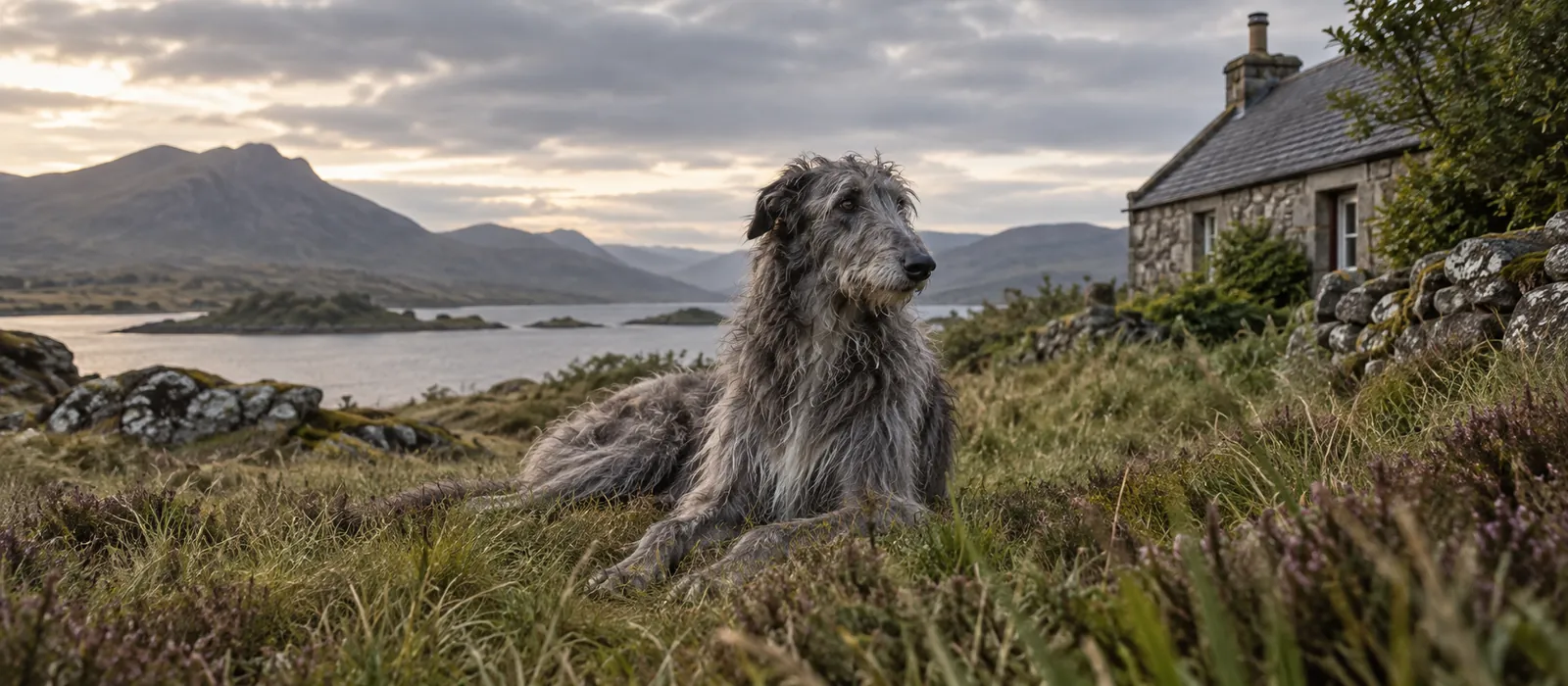
Adopting an adult Scottish Deerhound or Deerhound cross from a rescue is a rewarding alternative to buying from a breeder. Many adult dogs and crosses become available through rescue, and providing them with a second home can be deeply satisfying. This guide explains what to expect when adopting through breed rescue, general dog charities, and how to support a rehomed dog’s adjustment.
Finding a Scottish Deerhound for adoption
Breed-specific rescue organizations sometimes exist for particular breeds or groups (such as sighthound rescues). These rescues specialise in the breed and understand their specific needs and temperament. If you are looking for a Scottish Deerhound specifically, searching online for “Scottish Deerhound rescue UK” or contacting breed clubs (often listed by the Kennel Club) may connect you with breed-specific resources.
More commonly, adult Deerhounds or Deerhound crosses become available through general dog charities. Dogs Trust is the UK’s largest dog rescue charity, operating 23 rehoming centres across the UK. Their website features a searchable database of available dogs, organized by location. The RSPCA also rehomes thousands of dogs annually through their network of branches and rescue centres.
When searching for a Deerhound, you may find:
- Purebred Deerhounds rescued from difficult circumstances
- Deerhound crosses (often Deerhound–Greyhound or Deerhound–Lurcher)
- Elderly Deerhounds retired from breeding
- Dogs surrendered by owners facing life changes
Any of these may make wonderful companions if matched carefully with the right home.
What to expect: the adoption process
Reputable rescue organizations follow a process to ensure good matches between dogs and homes:
Initial enquiry: You will typically complete an enquiry form or discuss your suitability over the phone with a rescue worker. Be honest about your lifestyle, experience with dogs, garden, and reasons for wanting a Deerhound. Rescue staff will ask questions such as:
- Have you owned dogs before, particularly large or sighthound breeds?
- Do you have a securely fenced garden?
- What is your living situation (house, flat, rural, urban)?
- Who lives in your home, and are there children?
- Do you have other pets?
- Why do you want a Deerhound specifically?
Home check: Most rescues conduct a home visit before approving an adoption. A rescue representative will:
- Assess the safety and suitability of your home for a large dog
- Check that your garden is securely fenced (essential for a sighthound with high prey drive)
- Discuss your lifestyle, routine, and ability to provide appropriate exercise
- Ensure you understand the breed’s needs
- Answer your questions about the rescue process
This may feel intrusive, but it exists to protect both the dog and you. A good rescue prioritizes ensuring the adoption will succeed long-term.
Matching: The rescue will suggest a dog they believe suits your circumstances. Not every dog is suitable for every home. A Deerhound with a strong prey drive may not be appropriate for a home with cats, or an older dog may struggle in a chaotic household with young children.
Trial period: Some rescues offer a trial period (typically 4–8 weeks) during which you can return the dog guilt-free if the match does not work. This gives both you and the dog time to assess whether the placement is right.
Settling in: what to expect in the first weeks
Rehomed adult dogs often need time to settle and build trust. Your new Deerhound may show uncertainty or anxiety initially, and this is normal.
First week: Keep a quiet, calm routine. Show your Deerhound their bed, food and water bowls, and designated toilet area. Allow them to explore at their own pace without pressure. Many newly adopted dogs are overwhelmed and may hide or seem withdrawn initially—this does not necessarily indicate a problem. Stick to consistent routines for feeding, toilet breaks, and exercise.
Exercise: Check with the rescue about your dog’s current exercise routine and gradually increase if appropriate. Adult Deerhounds still need substantial daily exercise, but avoid vigorous activity until they have settled and been cleared by a veterinarian. Lead walk in safe areas before allowing off-lead running.
Introductions to other pets: If you have cats or other small animals, introduce them very gradually and with close supervision. Sighthounds have a strong prey drive; even friendly older dogs may chase cats or small pets in an unfamiliar home. Some rescues provide guidance on managing this.
Veterinary check: Arrange a veterinary appointment within the first week. Your vet will conduct a health check and review any medical records provided by the rescue. Discuss:
- Any dietary changes needed
- De-worming and flea treatment (often needed even for adult dogs)
- Microchip update and registration
- General health and any known medical issues
- Neutering status (if not already done)
Emotional adjustment: Patience is key. Adult dogs from rescue may be wary, anxious, or unfamiliar with normal home routines (stairs, vacuum cleaners, traffic sounds). Spend time with your dog but avoid forcing interaction. Reward calm, confident behaviour with praise and treats. Some dogs settle within days; others need weeks or months. This is normal.
Training and behaviour
Adult rescuers may arrive with no training, previous trauma, or behavioural issues. Work at your dog’s pace:
- Establish routine: Consistent meal times, exercise times, and toilet breaks help your dog feel secure.
- Positive reinforcement: Use rewards (treats, praise) for good behaviour. Avoid punishment, which can increase anxiety.
- Professional help: If your dog shows fear, aggression, or other concerning behaviours, consult a professional dog trainer or behaviourist. Your vet can recommend qualified professionals in your area.
- Avoid overwhelming them: Do not invite many visitors or take your dog to busy places during the first month. Let them build confidence in their new home first.
Support from the rescue
Good rescues provide ongoing support. Most will:
- Answer questions about behaviour or settling
- Provide advice if problems arise
- Accept return of the dog if circumstances change and the adoption is not working
- Provide you with any medical records or history from previous owners
Stay in contact with the rescue during the settling-in period, especially if you have concerns.
Long-term care
Once your Deerhound has settled, they will become a valued family member. Continue:
- Regular veterinary care and check-ups
- Appropriate exercise and mental stimulation
- A stable, consistent routine
- Socialization with other dogs if they enjoy it
- Dental care and grooming as needed for their coat type
Many adopters find that rehomed dogs are grateful, affectionate, and deeply rewarding companions.
Key points
- Scottish Deerhound rescues exist alongside general dog charities like Dogs Trust and the RSPCA.
- The adoption process includes an application, home check, and careful matching to ensure a good fit.
- Newly adopted adult Deerhounds need time to settle, typically 4–8 weeks, and may initially seem withdrawn or anxious.
- Establish a calm routine, take time for introduction to other pets, and arrange an early veterinary check-up.
- Use positive reinforcement training and be patient during the emotional adjustment period.
- Good rescues provide ongoing support and accept return of the dog if circumstances change.
Related: Deerhound help near you