Home › Guides › Deerhound grooming and coat care
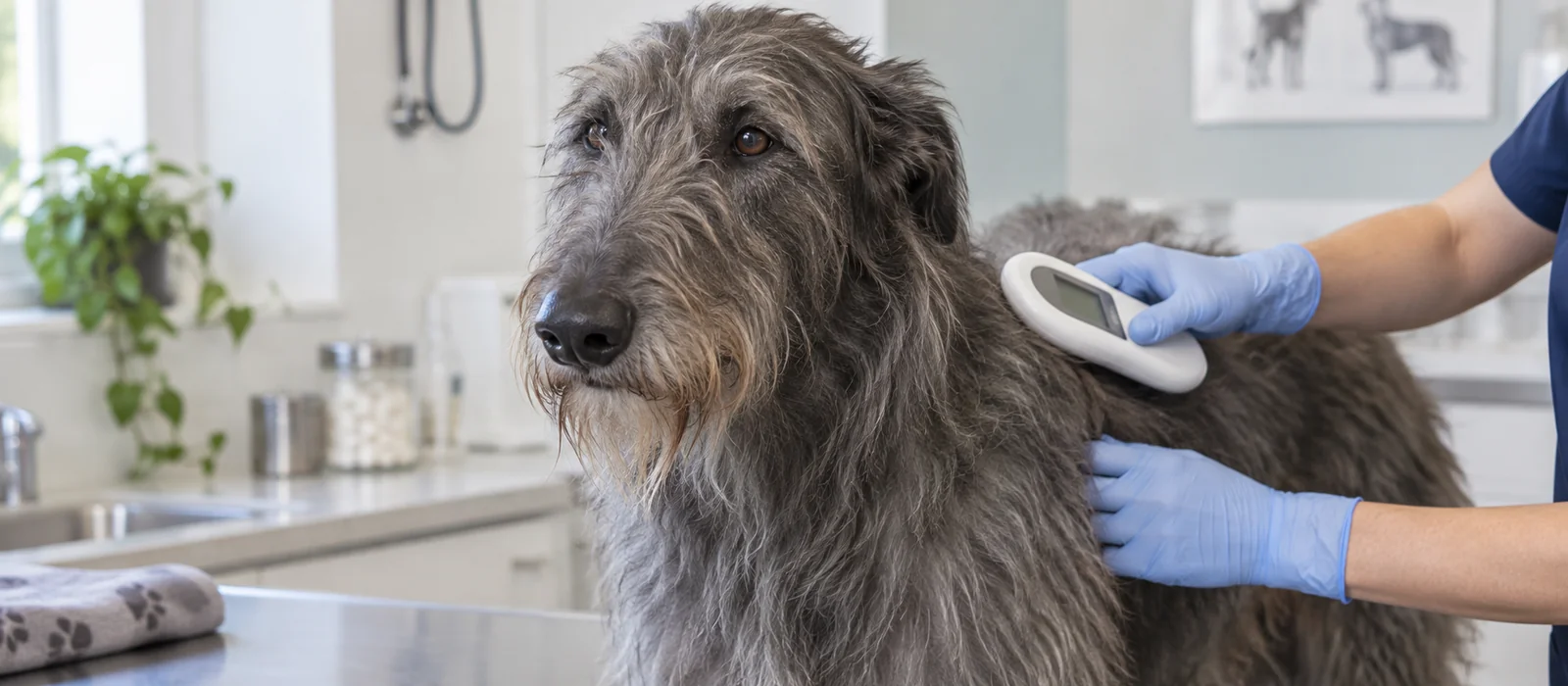
The Scottish Deerhound’s distinctive wiry coat requires regular, purposeful maintenance to stay healthy and look its best. Unlike the smooth coats of other sighthounds, a deerhound’s harsh double coat sheds regularly and benefits from consistent grooming—whether your dog is a show prospect or a beloved family companion.
Understanding the deerhound coat
The breed’s coat is harsh and wiry rather than soft or silky. This texture developed over centuries to protect the dog while hunting red deer in Scotland’s rough terrain. Males and females both carry the same coat type, typically in shades of blue-grey, often with white markings on the chest, toes, and tail tip. The coat takes time to reach its full harsh texture, so young dogs typically have noticeably softer hair than mature adults.
Daily and weekly brushing
Brush your deerhound at least three to four times per week with a good-quality brush—ideally one designed for double-coated breeds, such as a slicker brush or a metal comb. Brushing removes loose hair before it falls out around the house and helps distribute natural oils through the coat. When brushing, work methodically through the entire coat from head to tail, paying special attention to areas behind the ears, under the armpits, and on the thighs where matting is more likely. A few minutes each day is better than occasional long sessions.
Stripping and hand-plucking
Show deerhounds are typically hand-stripped or plucked to maintain the harsh texture of the coat. Hand-stripping removes dead hair by pulling it out in the direction of hair growth, which encourages new growth and keeps the coat tight and glossy. This technique requires technique and patience. Pet deerhounds do not require stripping, but clipping can soften the coat over time; many owners prefer to brush regularly and clip occasionally for tidiness rather than undertaking a full strip.
Bathing
Bathe your deerhound every four to eight weeks using a dog-specific shampoo and conditioner. Lukewarm water is less harsh on the coat than hot water. Wet the coat thoroughly, apply shampoo, work it gently into the fur, and rinse completely—any shampoo residue can irritate the skin. Finish with a leave-in conditioner designed for dogs to help maintain coat texture and reduce friction during brushing. Wet deerhounds are surprisingly long and skinny; many owners recommend bathing in a walk-in shower or enlisting help to manage the process safely.
Nails, teeth, and ears
Trim toenails every four to six weeks using nail clippers appropriate for a large dog’s thick nails. If you hear nails clicking on hard floors, they are overdue for trimming. Brush teeth daily if possible, or at least three times per week, to prevent tartar buildup and dental disease. Check and clean ears weekly, especially after swimming or bathing, as trapped moisture can lead to infection. A vet can show you the safest technique for your dog’s ears.
Skin care and common issues
The wiry coat is generally robust, but a few issues can occur. Dry skin shows as flaking or scratching; this may improve with omega-3 supplementation and regular conditioning during baths. Hot spots (acute moist dermatitis) are painful, weeping patches usually caused by licking due to fleas, allergies, or irritation; contact a vet promptly if one appears. Mange and other parasites are uncommon in well-cared-for deerhounds, but any unusual hair loss, scabbing, or persistent scratching warrants a vet check. Keep the coat dry after exercise or play to prevent fungal growth.
Using grooming time as a health check
Regular grooming is also a practical opportunity to check your deerhound over for anything unusual. While brushing, run your hands over the whole body feeling for lumps, swelling, or areas of heat or pain. Check between the toes and pads for grass seeds, cuts, or overgrown nails, and look at the skin under the coat for fleas, ticks, redness, or sores that fur can otherwise hide. Lift the lips occasionally to glance at the teeth and gums, and look in the eyes for cloudiness or discharge. Because deerhounds have a dense coat that can mask early signs of weight loss or skin problems, hands-on grooming sessions are often the first place an owner notices a change worth mentioning to a vet.
Show trim versus pet trim
Show deerhounds are groomed to a very high standard: the harsh coat is hand-stripped to its prime texture, the head is blended to show the skull shape clearly, and the legs are sculpted to reveal musculature. This is a specialist skill; many owners work with a professional groomer familiar with the breed. Pet deerhounds can be trimmed for practical purposes—tiding up the feet, chest, and tail tip—without the intensity of show preparation. Decide early whether your dog will be shown; this will guide your grooming approach.
Professional grooming
Many owners find professional grooming helpful, especially for bathing a large, wet dog and for maintaining show-quality coats. If you choose professional grooming, ensure the groomer has experience with wire-coated breeds and understands that clipping softens the coat texture. Discuss your goals before the appointment so the groomer knows whether you want a pet trim or show preparation.
Key points
- Brush daily or every few days to manage shedding and keep the coat healthy.
- Bathe every four to eight weeks with dog-specific products and thorough rinsing.
- Trim nails every four to six weeks and brush teeth several times per week.
- Consider hand-stripping for show dogs; pet dogs do not require it but benefit from regular maintenance.
- Watch for skin irritation, dry patches, and hot spots; contact a vet if they persist.
Related: Deerhound help near you